

You are a real estate agent and probably looking for the best laptop to use to get your work going, right? If you are, then great! You are definitely on the right site and my job here is simple; help you get the best device that will make you smile all day long, all because it makes work easier. We all understand the hustle and bustle of today’s world, and it’s either you are on track with your job or you are completely lagging behind! No one wants to have so many things out of place and order when there are lots that can be done with the digital world we have going on! So why don’t we hurriedly get to work with what you really need? Firstly, some basics before we get too far in reviewing the best laptops for realtors or real estate agents.

As a profession tackling this field, a real estate agent is known to be the licensed officials known to be the ones responsible for representing buyers, bringing into business buyers interested in their property thus bringing both parties together. The real estate agent is responsible for the arrangement of real estate transactions, being the ones in the act of negotiating on behalf of the sellers they represent, getting a commission of every purchased property. Basically, they make work easier for the buyer. The real estate agents can also be referred to as realtors. Obviously, by visiting this site you already know that, and you are probably more knowledgeable about it, but in case you didn’t know, well now you do!
Best Laptops For Real Estate Agents and Realtors Buyer’s Guide
Real Estate Agents and Realtors respond to the changing needs of buyers and sellers, and they need laptops that meet some standards, since every day is different, they must have a versatile tool that adapts to every task. There are some aspects you must take into account to select the best laptops for real estate agents:
Brand
Obviously, first and foremost, before you would like to purchase anything for your usage for whatever profession you may require it for, you will have to take a look at the brands available. We live in an advanced technological world where almost everything is now digital and there are lots of companies out there making similar products we’ve all come to depend on. Each brand has a laptop that fits this field. Before pulling out the bills, ensure that you pick the brand you are comfortable most. It could be a spun or few but ensure that whichever brand or brands you settle is/are okay with you.
Size
The best laptop for real state Very important to note as well. Obviously the best laptop for Real State cannot be too big or too heavy to make it difficult to carry it if need be. If you want something big, better, it should be of comfortable weight and size to make your job easier.
Model
Different brands release lots of models of their machines serving particular functions. Inarguably that most devices almost have the very basic things needed but when getting into the specifications such as RAM, storage and others make you ascertain which function or usage best suits it. So before settling for something simply because it’s fancy, better keep in mind, it will do the job!
Price tag
Important if you have a specific budget requiring you to pick a laptop falling in a specific range. Not a problem as there are lots of finely priced machines out there, and it’s entirely up to you to choose which one’s affordable for you. If you don’t mind tossing a couple of bills, then you go ahead, so long as whichever model you settle for is good enough. But consider that the best laptop for realtors does not have to be exactly expensive.
Durability
You would not have the best laptop for real estate if after a year you had to replace it. Goes with the brand you trust and if the model you pick can last a couple of years before fixing or replacing it then it’s good enough for you.
Specifications
Different laptops come with different RAMs, available storage, model design, features and more which thus means that before settling for any, ensure that you have the best one suiting your needs.
Design
Modern Laptops just got fancier! Today we have rotating screens, touch screens, detachable keypads and more. It will be best to know which one fits your standard. You don’t just need the laptop that works best, but also one that fits your image as Real Estate Agent.
What Is The Best Laptop for Realtors?
Well, I won’t say that it’s an easy question to answer but, above, we have looked into the several factors that one must consider before going ahead to purchase the best laptop for realtors. Below, we choose and reviewed only the top laptops that we thought would be a perfect fit for realtors.
Having handled that, let’s have a look at the top eight laptops I’ve picked out for you!
Top Best Laptops for Real Estate Agent or Realtor
- Apple MacBook Pro M1 Chip
- Apple MacBook Air M1 Chip
- HP Envy x360 2-in-1 Flip Laptop
- HP Pavilion Laptop
- ASUS ZenBook Flip 13
- Dell Inspiron 15.6″ FHD Touchscreen
- Dell XPS 13 9310 Thin and Light Touchscreen Laptop
- Lenovo ThinkPad X1 Carbon
- ASUS ZenBook 13 Ultra-Slim Laptop
- Acer Spin 5 Convertible Laptop
Top Laptops for Real Estate Agent or Realtor
1. Apple M1 MacBook Pro
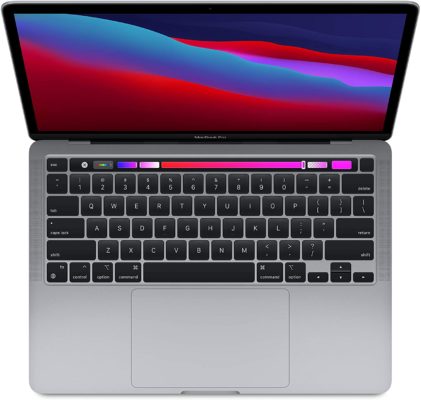
As we all know, Apple’s devices often come with slightly a high price tag! But if you can afford it then you will have a powerful and strong-built laptop to work with. The Apple M1 MacBook Pro is a 13.3-inch Brilliant Retina laptop I’d recommend for working best to your real estate standards and it features good enough to do the job! The display on the best laptop for realtors offers 300 pixels per inch and comes with True Tone and P3 wide color support to show content clearly and accurately in color all over its 2560×1600 Pixels (max resolution).
M1 chip is built on an Arm architecture and brings significant speed and efficiency improvements with its integrated 8-core GPU with the capacity of working faster at 3.2GHz, this fast notebook can execute 25,000 threads at a time to process data. The RAM is 16 GB, storage is 256 GB SSD, it is OS- Mac-based, the hardware specifically designed to be productive. Its aluminum body comes in Silver and Space Gray color options. Despite the slight drawbacks in terms of pricing, with Apple, you could never go wrong as their products are strong and durable, so you will not need to worry about anything other than your real estate transactions, since the battery lasts for up to 17 hours of continuous usage. These features make it the best laptop for real state
Features:
Apple M1 MacBook Pro, High-performance M1 Graphics Coprocessor, portable, Brilliant Retina Display, Ultrafast SSD, Two Thunderbolt 3 (USB 4) ports, has an up to 17-hour battery life, WiFi 6 802.11ax and Bluetooth 5.0.
Specifications:
Apple M1 MacBook Pro from Apple brand, product dimensions of 15 x 11.5 x 4 inches, a weight of 6.07 pounds, powered by 1 Lithium-ion battery, has 3.2 GHz 210 8-core processor with four high-efficiency cores, Apple M1 chip. Magic Keyboard with refined scissor mechanism, Touch Bar, Touch ID fingerprint sensor, 720p FaceTime HD camera.
https://www.apple.com/apple-events/#november-2020
2. Apple M1 MacBook Air
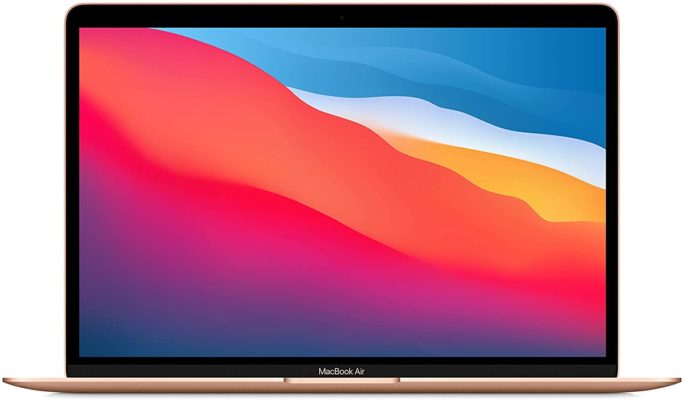
Now, don’t we love MacBook now since it’s the second product I’m reviewing now? Well, perhaps we could have a look at another of Apple’s products which rock out to make your daily real estate experience a little more exciting! Well, let’s dig into what this one’s got to offer, shall we? Okay! So ranking number two on my list is the Apple MacBook Air, but this one comes with the new M1 Chip, which is the fastest CPU the brand has ever made, so it’s another of Apple’s products I would like you to consider if you are planning on getting a reliable device for your real estate work.
This pc is built for your convenience for having a lightweight design and a battery life good enough to keep you going about your important work. It’s actually an Apple iPad Air designed with flexibility, has a great graphic display consisting of rich and crispy color, much to your added advantage. On top of that, the M1 Air has a screen bright and good enough for viewing from different angles, a 13.3-inch Retina display of resolution 2560 x 1600 with 400 nits brightness, and a low power processor RAM. It works with one Apple M1 chip with an 8-core CPU, 7‑core GPU, and 16‑core Neural Engine which delivers up to 3.5x faster performance than the previous generation while using way less power than others, delivering up to 18 hours of battery life. Its weight is less than 3 pounds, so you can take it with you anywhere.
Besides that, you will have two Thunderbolt 3 ports, requiring a ‘dock’. Now knowing already how Apple tends to brag when it comes to their uniquely and beautifully designed products, what more, then, can be said about this powerful device? We can agree, this fast MacBook is among the best laptops for real estate agents. So you just need to choose between Space Gray, Gold and Silver colors to get your very own on your hands!
Features:
13.3-inch (diagonal) LED-backlit widescreen display with IPS technology, System on Chip (SoC) Apple M1 chip, 8-core CPU with 4 performance cores and 4 efficiency cores, Up to Apple 8-core GPU, 8 GB of unified memory, fast storage of 256 GB or 512 GB SSD.
Specifications:
Of the Apple brand, with macOS, product dimensions of 11.97 x 0.63 x 8.36 inches, the item weight is 2.8 pounds, it is powered by 1 Lithium Polymer battery, 8th Gen dual-core Intel Core i5, fast SSD Storage, 8 GB memory, Retina Display with True Tone. Backlit Magic Keyboard, Force Touch trackpad, Two Thunderbolt/USB 4, DisplayPort, USB 3.1 Gen 2 port, Headphone, Stereo speakers and 720p FaceTime HD camera, Touch ID.
3. HP Envy x360
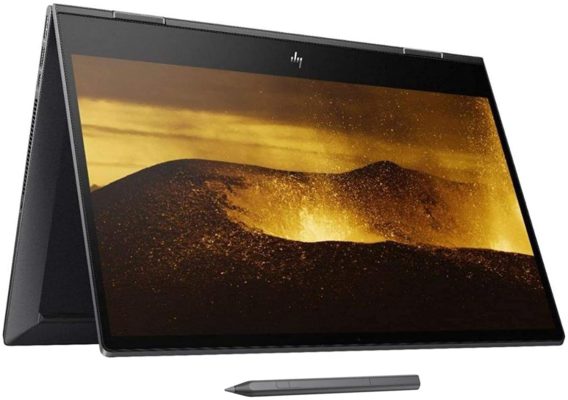
Within the wide catalog of laptops manufactured by Hewlett-Packard Company there are many options that we can consider business laptops. If you are looking for a powerful device that allows you to manage all the properties info, schedule visits and keep up to date with the needed documentation, the HP Envy x360 may be exactly what you need.
Until the arrival of the x360 the Envy line has been HP’s mid-range option, now we can consider this 15.6 FHD Touchscreen 2-in-1 laptop a great addition for your workspace, and that’s not only because of its AMD Ryzen 5 5500U 6-Core Processor which has 6 cores, 12 threads with a base clock of 2.1 GHz and can be boosted to 4 GHz. It also includes 16 GB RAM high-bandwidth DDR4 memory and 512 GB SSD, so you can have fast access to all your land and buildings data can be organized and stored without any bother. This is the best laptop for real estate agents with the portability of a tablet, with a 360° hinge design, having the versatility of two devices in one, so is great for taking notes or day-to-day tasks.
With different I/O options, a professional ultra-slim aluminum design, backlight keyboard for more ergonomic work at any time of the day, fingerprint reader for quick unlocking, good sound performance, and considerable internal power, the HP Envy x360 convertible has a well-deserved place on my list.
Features:
Tablet/laptop mode, AMD Ryzen 5 5500U 2.10GHz Hexa-Core Processor up to 4.0GHz, AMD Radeon Graphics and offers 16 GB RAM and 512 GB SSD for data transfer, Surface pen, 8 hours.
Specifications:
The Envy x360 comes with AMD Ryzen 5 5500U 6-Core Processor, AMD Radeon Graphics, 16 GB RAM, 512 GB SSD. 15.6″ Full HD Micro-Edge Touchscreen (1920 x 1080) Display, Multitouch-enabled, Edge-to-edge Glass, 250 nits, 45% NTSC, with calibrated color space. Product dimensions of 14.1 x 9.1 x 0.7 inches and 4.41 pounds of weight. Nightfall Black color, aluminum alloy chassis. 1 USB 3.2 Gen 2 Type-C, 2 USB 3.2 Gen 1 Type-A, 1 HDMI 2.0 port, 1 Combination Audio Jack, Wireless-AX Wi-Fi 6 and Bluetooth 5 Combo. Fingerprint Reader on the power button. Bang & Olufsen Stereo Speakers, HP Wide Vision 720p HD Webcam with Integrated Dual Array Digital Microphones, 3-Cell 51WHr Li-ion Polymer Battery.
4. HP Pavilion Laptop
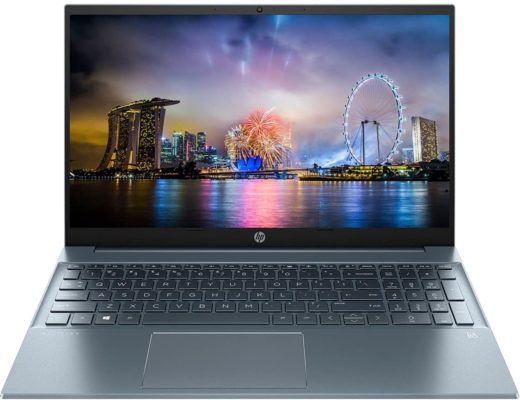
Realtors must be constantly connected and have a good laptop that, with their smartphone, allows them to practice the real estate profession. Another product to consider for this is the HP Pavilion which is also one of the best laptops for photo editing, in case you edit your own property photos. The most recent model comes with nothing less than 15.6” for you to use all the digital tools for the management of your immoveable brand. Although the Real Estate Field is not as technologically demanding as that of a graphic designer or a programmer, a computer with 11th Gen Intel Core i7, 16 GB of RAM and 1 TB SSD will allow you to carry out all tasks.
The fourth laptop in my selection includes plenty of ports, Wi-Fi 6 and Bluetooth 5 for a faster and more efficient connection, as well as a touch screen that will undoubtedly facilitate your tasks. In addition to these aspects, we can point out that it is one of the best laptops for real estate agents currently available thanks to its elegant design, memory expansion options and portability.
Features:
15.6″ Full HD Touchscreen, 11th Gen Intel Core i7-1195G7 2.90 GHz Quad-Core Processor (12M Intel Smart Cache, up to 5.0GHz) and Intel Iris Xe Graphics. 16 GB high-bandwidth RAM and 1 TB PCIe NVMe M.2 Solid State. Backlit Keyboard, Windows 11 Home, 8 hours.
Specifications:
Intel Core i7-1195G7 Quad-Core Processor, 16 GB RAM, 1 TB PCIe NVMe SSD. 15.6″ Full HD BrightView Micro-edge WLED-backlit Touchscreen (1920 x 1080) Display. Backlit Keyboard, HP Wide Vision 720p HD Webcam with Integrated Dual Array Digital Microphone, B&O Play Audio with Dual Speakers. 3-Cell Battery 41WHr, up to 8 Hours. 2 USB 3.2 Gen 1 Type-A, 1 USB 3.2 Gen 2 Type-C and 1 HDMI 2.0 ports, 1 Headphone-out/microphone-in combo jack. Intel Wi-Fi 6 Wireless-AX and Bluetooth 5.0. Its dimensions are 14.18 x 9.21 x 0.7 inches. Its weight is 3.86 Pounds. Comes in Fog Blue color.
5. ASUS ZenBook Flip 13
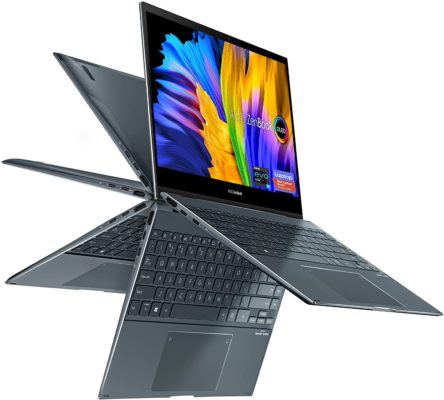
The real estate business is really competitive, and having a device that allows you to make contracts and get them signed is a good way to save time and to take advantage on your career, that’s why a notebook that can transform into a tablet is a great choice if you are in the search of the best laptop for realtors. The ZenBook Flip 13 is designed for the people who greatly need portability and versatility, with its 13.3” OLED FHD Touch Screen, NanoEdge bezel display, wide range of I/O ports and 10 hours of wireless battery life.
The ZenBook Flip 13 not only includes a host of ports like HDMI and Thunderbolt 4, it also comes with adapters for audio and Ethernet connectivity. Without a pen, convertible laptop is just a laptop, and fortunately this model incorporates a Stylus Pen with which many of your activities will be speeded up. At the performance level, we find inside an Intel Core i7-1165G7 Processor that with Intel Iris Plus Graphics and 16 GB of RAM, a powerful combination with which you can take notes, make appointments, organize your land portfolio or solve any eventuality related to the purchase-sale of a property, all at the same time.
Features:
ASUS ZenBook Flip 13 OLED Ultra Slim 2-in-1 Laptop, 13.3” OLED FHD Touch Screen, Touch input, Intel Evo Platform 11th-gen quad-core i7-1165G7 (up to 4.70Ghz with Turbo Boost, 12 MB Intel Smart Cache), 16 GB onboard LPDDR4X 4266MHz RAM, 1 TB SSD, US MIL-STD 810G military-grade standard, Intel Evo Certified, Windows 11 Home, ASUS AI Noise-Canceling Technology, Thunderbolt 4, Windows Hello support.
Specifications:
13.3inch OLED Full HD 4-way NanoEdge bezel touch display. The ZenBook Flip 13 is powered with a 11th Gen Intel Core i7-1165G7 quad-core Processor and integrated Intel Iris Xe Graphics GPU for graphics. 16 GB RAM and 1 TB SSD. 1 USB 3.2 Gen 1 Type-A, 1 HDMI 1.4, 2 Thunderbolt 4 supports display and power delivery, Wi-Fi 6 (802.11ax) and Bluetooth 5.0. 720P HD IR camera, Built-in array microphone, harman/kardon, SonicMaster. ASUS NumberPad 2.0 and Backlit edge-to-edge keyboard. It weighs 2.87 pounds and measures 12.01 x 8.31 x 0.55 inches. Pine Grey color. ASUS stylus pen (4096 pressure levels), Sleeve, USB-C to audio jack adapter, USB-A to RJ45 gigabit Ethernet adapter.
6. Dell Inspiron 15.6″ FHD Touchscreen
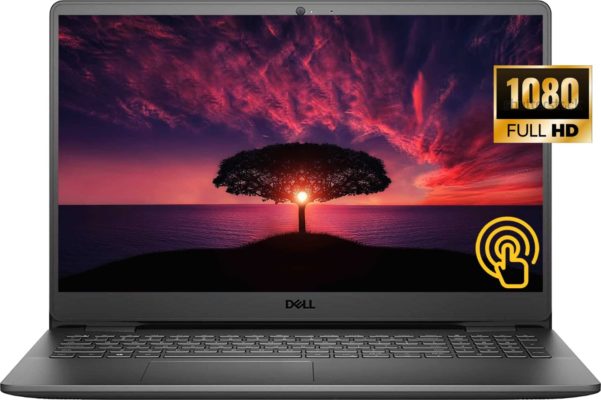
You think you already found the best laptop for real estate agents’ tasks? The list is just beginning! Inspiron is part of Dell’s consumer-focused PC line, the sixth on the list is a great representative of this family. With Ultra-responsive 11th Generation Intel Core i7-1165G7 processor (12 MB Cache, up to 4.7 GHz) and 16 GB high-bandwidth DDR4 memory, you will ease the buying, selling and renting process for clients. Storage will be your last concern, since the Inspiron comes with 512 GB SSD (15x faster than HDD, ample storage) and 1 TB HDD for instant boot-up and fast access to your landholdings agreements.
Managing a real estate business involves several tasks at one, like running marketing campaigns or coordinating open houses, and you need to be linked, so Wi-Fi 5, Bluetooth 5.0 and the ports on this Dell Laptop will sponsor connections with your clients and the transfer of data from other devices to your new laptop. Its 3-Cell 42WHr Battery delivers up to 7 hours of constant usage and it’s super portable, so you can work from anywhere.
Features:
15.6″ FHD Touchscreen Business Laptop, Intel Iris Xe Graphics, Core i7-1165G7 Up to 4.7GHz, Windows 11 Pro, 16 GB RAM, 512 GB SSD+1 TB HDD, Wi-Fi, Bluetooth, matte-black plastic chassis, 7 hours.
Specifications:
11th Generation Intel Core i7-1165G7 processor (12 MB Cache, up to 4.7 GHz) and 16 GB high-bandwidth DDR4 memory. 512 GB PCIe NVMe M.2 SSD and 1 TB HDD. 15.6″ Touchscreen Anti-Glare LED WVA FHD (1920 x 1080) Display. Intel Iris Xe Graphics. Windows 11 Pro 64-bit. Built-in HD webcam, integrated MaxxAudio Pro Stereo Speakers, chiclet keyboard, ClickPad, Integrated MaxxAudio Pro Stereo Speakers. Connectivity: 1 USB 3.2 and 1 USB 2.0 ports, 1 multi-format SD Media Card Reader, 1 RJ-45 LAN, universal Audio Jack. 802.11 Wi-Fi 5 Wireless-AC and Bluetooth 5.0. Product dimensions: 14.33 x 9.27 x 0.74 inches. Weight: 3.9 pounds.
7. Dell XPS 13 9310 Thin and Light Touchscreen Laptop
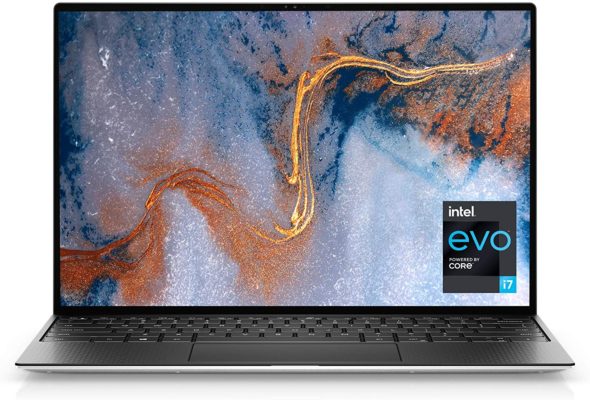
As a realtor you help people to buy and sell immovable, but as you well know there are a lot of operations involved and the best laptop for real estate agents can be a great tool to automate all the work process. The Dell XPS 13 is a favorite for music producers and is an amazing option for you to manage neighborhood data, so when clients ask you to find them a home you have easy access to your files, to offer them the perfect place.
This Dell laptop has a 13.3-inch screen in which you can work comfortably, with multitasking performance of up to 16 GB RAM and 512 GB of storage that will be more than enough to handle your data. The Tiger Lake CPU is here to stay, the Intel Core i7-1195G7 will provide you with the necessary processing to work without difficulties and reach a high sales rate, with easy access thanks to its fingerprint reader and with a stylish and modern design in Platinum Silver with black interior or all Frost White, to give to your office a superior and professional appearance.
Yes, it might be a bit pricey compared to other devices on my list (or it wouldn’t be my number 7) but this ultra slim (0.58 inches) and super easy to hold (2.8 pounds) laptop meets all the requirements of average Realtors, plus an optimal cooling system and 15 hours of battery life. It is something to take into account, right?
Related Posts: Good laptops for stock trading
Features:
Dell XPS 13 9310 Thin and Light Touchscreen Laptop, 13.4 inch FHD+, Integrated Eyesafe display technology, Intel Iris Xe Graphics, Intel Core i7-1195G7, 16 GB LPDDR4x RAM, 512 GB SSD, Windows 11 Pro, Silver, Fingerprint Reader, Advanced Thermal Engineering. 15 hours.
Specifications:
13.4” FHD+ (1920 x 1200) InfinityEdge Touch Anti-Reflective 500-Nit Display equipped with 100% sRGB and 90% DCI P3 color gamut, 1500:1 contrast ratio. 11th Generation Intel® Core™ i7-1195G7 processor and Intel Iris® Xe Graphics with shared graphics memory. 16 GB 4267MHz LPDDR4x Memory, 512 GB M.2 PCIe NVMe Solid State Drive. Laptop dimensions: 7.82 x 11.64 x 0.58 inches. Weight: 2.8 pounds. Platinum Silver with Black Carbon Fiber Interior, Black Backlit English Keyboard with Fingerprint Reader, Touchpad. Ports: 2 Thunderbolt 4.0, 1 Headset Jack, 1 Micro-SD Card Reader, Killer Wi-Fi 6 AX1650 and Bluetooth 5.1, 52 Whr Battery, 4-Cell. Stereo speakers professionally tuned with Waves MaxxAudio Pro.
8. Lenovo ThinkPad X1 Carbon
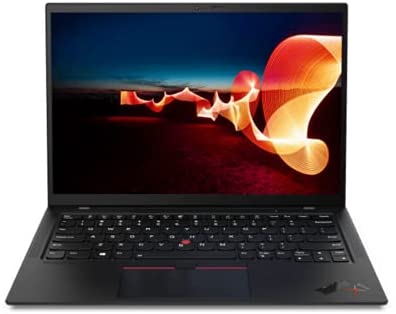
Apple, Hp, Asus, Dell… but also Lenovo has a place on my list of best laptops for real estate agents. The ThinkPad X1 Carbon is a great option for business, offering a smartphone-like experience on your notebook thanks to its 360° reach, Intelligent Thermal Solution for rear ventilation and comfortable typing. It includes a decent selection of I/O, like Thunderbolt 4, HDMI and USB-A, Wifi-6, Bluetooth 5.1 options, so connectivity is guaranteed.
In terms of performance it comes with a Quad-core Intel Core i7-1185G7 and 16 GB, which is enough to do all the land and building duties on this sleek and sturdy laptop. While not the best in its class, the Thinkpad’s graphics and 512 GB storage will give you optimal performance while you work, plus its 4-inch FHD+ (1920 x 1200) IPS non-touch, 16:10 display will fit easily to your needs, and will allow you to have hours of entertainment when you need a break.
Features:
Lenovo ThinkPad X1 Carbon, 9th Gen Intel Core i7-1165G7, 14” FHD Non-Touch Screen, Dolby Vision, 16 GB RAM, 512 GB SSD, Backlit Keyboard, wide touchpad, Fingerprint Reader, Windows Pro, ultralight chassis, black. 10 hours.
Specifications:
14″ FHD IPS 400nits Anti-glare, 1920×1200, IPS equivalent, 60 Hz, non-touch, matte finish, Integrated Intel Iris Xe Graphics, Intel Tiger Lake Core i7-1165G7, 4 cores, 8 threads, base clock 2.8Ghz, max turbo 4.7Ghz, 16 GB LPDDR4x-4267 soldered, 512 GB M.2 2280 PCIe NVMe SSD. Ports: 2 USB-C Thunderbolt 4, 2 USB-A 3.2 and HDMI 2.0. Connectivity: Intel AX201 Wi-Fi 6 and Bluetooth 5.1. Backlit Keyboard, Fingerprint Reader. Dimensions: 13 x 9 x 1 inches. Weight: 2.5 pounds. Integrated Intel UHD Graphics Webcam with Microphone, quad speakers.
9. ASUS ZenBook 13 Ultra-Slim Laptop
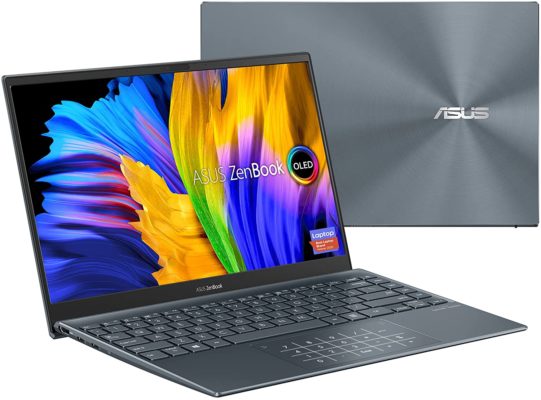
Another product to have a look at is the ASUS ZenBook 13 Ultra-Slim Laptop, which is ranked as number nine on my list. It is an ultra-thin and lightweight laptop ideal for Real Estate Agents, business people and students, particularly for its ease of carriage. It’s designed with a 13.9 mm-thin profile with a weight of 2.45 pounds, having its chassis built with aluminum giving it fine portability not to mention it’s quality premium feel much to your benefit.
The ASUS ZenBook 13 is specially designed with a stunning 13.3-inch OLED FHD NanoEdge Bezel with wide-view technology, thus providing better visuals and extraordinary rendition with Intel Iris Plus Graphics. Its NanoEdge design comes with slimmer bezels on all four sides and features wide-view technology, for a combination of clear images from extreme angles, less distraction for the eye and a vivid colors experience.
To dig deeper in what you would expect if you were to settle for this device, it is an 11th Gen Intel Core i7-1165G7 processor pc with a turbo boost up to 4.7 GHz offering you an 8 GB or 16 GB LPDDR4X RAM best designed for the handling of multiple tasks at a go without worrying about any sort of lagging issues. It has 512 GB SSD storage, which is actually big enough for storing all the necessary files and data you may have. All of this made it one of the best laptops for realtors, and with its 13 hours of battery life, you will have enough time to do the job. It comes in Pine Grey and Lilac Mist in a high-end metal finish. If you are not convinced yet, let me tell you that ZenBook 13 has been tested to meet the ultra-demanding MIL-STD-810G U.S. military standard for reliability and durability.
Features:
ASUS ZenBook 13, Ultra-slim laptop, 13.3-inch OLED 400 nits Full HD (1920 x 1080) Wide View 4-way NanoEdge bezel display, 11th Gen Intel Core i7-1165G7 processor, Windows 10 Home, Edge-to-edge ergonomic keyboard with ASUS NumberPad 2.0, Fingerprint, up to 4.7 GHz. Ultrafast PCIe® 3.0 x2 SSDs.
Specifications:
Of the ASUS brand, maximum screen resolution of 1920 x 1080 pixels, 11th Gen Intel Core i7-1165G7 processor, 8 GB RAM, 512 GB Flash Memory Solid State, Intel HD Graphics 620, 8 GB Graphic Card Ram size, 3 USB ports. It comes with Number Pad, HDMI, Thunderbolt™ 4 USB-C®, USB Type-A and a microSD card reader. Includes a Built-in front infrared (IR) camera.
10. Acer Spin 5 Convertible Laptop
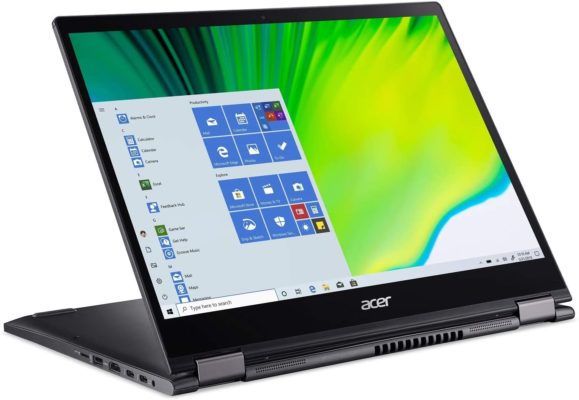
A product of Acer, the Spin 5 is the end of my list, but let’s be clear, it’s still one of the best laptops for realtors available now. The Acer Spin 5 comes in Black or Green magnesium-aluminum alloy design, having a textured cover giving it the looks for the type of work that realtors and other business officials would most definitely get to settle for. It’s a versatile laptop with a 10th Generation Intel Core i7-1065G7 Processor 1. 3GHz with Turbo Boost Technology up to a maximum clock frequency of 3.9GHz and Intel Iris Plus Graphics for your entertainment after an often exhausting day of your busy schedule. It comprises 16 GB RAM and 256 GB of SSD, with also the capability of future upgrading of available RAM if perhaps you so wish to.
More to say is the device has 13.5 inches of full HD IPS widescreen LED-backlit Touch display with the resolution of 2256 x 1504 pixels with 3:2 aspect ratio. Its 360° Hinge allows you to rotate the screen to comfortably type with the keyboard or to write on-screen with the Acer Active Stylus. This powerful device is among the best laptops for real estate agents since it is capable of work without any lag, and it is completely portable, so you can use it in any place you want for up to 15 continuous hours. It comes with a variety of connection ports, the pen is included and, did I mention, it can be used in various ways? Just imagine how cool you will look by using the Spin 5 in front of Real Estate buyers and sellers.
Features:
Acer Spin 5 SP513 Series, 13.5″ Acer Widescreen IPS LED-backlit Touch Display, 10 Gen Intel Core i7-1065G7 4 x 1.3 – 3.9 GHz, Ice Lake, Intel Iris Plus Graphics G7 (Ice Lake 64 EU), 16 GB Onboard Memory and 512 GB SSD. It has Windows 10 Home.
Specifications:
Product of Acer brand, 13.50-inch 3:2 VertiView display with IPS technology, maximum resolution of 2256×1504, high-brightness Acer CineCrystal LED-backlit TFT LCD, supporting multitouch and AES pen solution, 1.3 GHz Intel Core i7, 16 GB LPDDR4X RAM Memory, 512 GB PCIe NVMe SSD.
Its dimensions are 11.81 x 9.25 x 0.59 inches and its weight is 2.6 pounds. Back-lit Keyboard, and Intel Wireless Wi-Fi 6 AX201 802. 11ax, Bluetooth 5. 0, HD Webcam (1280 x 720) supporting SHDR, USB 3. 1 Type C port, DisplayPort, Thunderbolt 3, DC-in, USB 3. 2 ports, HDMI 2. 0, Rechargeable Active Stylus, Lithium-Ion Battery which brings up to 15-hours Battery Life.
Conclusion
Well, there you have it, folks. That’s the best there is to offer. I hope this has been of much help to you. I’ve picked out the top ten best laptops for real estate agents or realtors there is, and it’s entirely up to you to settle for whichever works for you. Go grab your laptop now!